
Synergistic Solutions

Synergistic Solutions: Clean Out, Lift and Heat

BioActive’s microbial treatment (MEOR) works on the root causes downhole. Three synergistic solutions extend what it can do: the True Fluidic Oscillator cleans out the wellbore, NETZSCH progressive cavity pumps lift hard-to-pump fluid, and PyroPhase electric heating thins heavy oil.

How they work together

MEOR at the core, plus three synergistic solutions

Each solution takes on a different job in the well, and each one adds to what microbial treatment does on its own.

At the core

BioActive Services MEOR

Microbial treatment for paraffin and asphaltene control, SRB/APB elimination by competing for their food source, oil–water emulsion control and contamination remediation, with no upfront CapEx.

Clean out

True Fluidic OscillatorDHFS Technologies

Immediate wellbore and near-wellbore cleanout that opens perforations and restores near-wellbore permeability.

Where it fitsWorkovers. It gives MEOR more contact area and better placement in the wellbore and perforations.

More about the TFO

Lift

Progressive Cavity PumpsNETZSCH

Artificial lift for heavy, sandy and gassy fluid, with lower energy and maintenance costs and no gas lock.

Where it fitsWells where viscous oil, sand or gas limits the pump. Rated excellent for gas, solids and viscosity.

More about NETZSCH PCPs

Heat

Electric Downhole HeatingPyroPhase

RF current heats the well’s own casing and tubing through the skin effect, with no downhole cabling.

Where it fitsHeavy-oil wells where the oil is too thick to flow, at a major cost advantage over steam.

More about PyroPhase
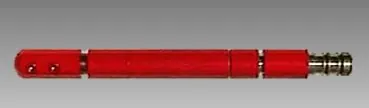
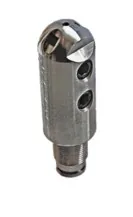
True Fluidic Oscillator

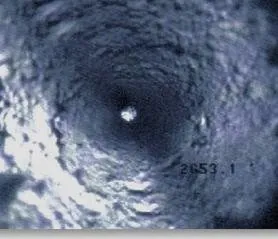
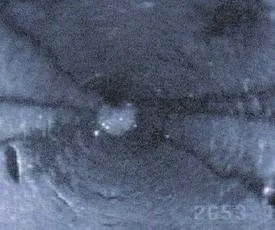
Immediate wellbore and near-wellbore clean out

A perfect addition to a workover. The True Fluidic Oscillator (TFO) from DHFS Technologies addresses loss of production and near-wellbore conductivity problems.

DHFS Technologies, LLC. Production Stimulation

Benefits of True Fluidic Oscillator technology

  • Ideal for high-permeability formations
  • Restores and enhances permeability of the near-wellbore formation area
  • Ensures perforations are open and connected to the formation
  • Lowers injection pressures in injection and disposal wells and allows higher fluid rates
  • Enhances the use of MEOR, increasing contact area and providing optimal placement in the wellbore and perforations
  • May eliminate the need for more expensive fracturing

Comparison of well intervention and stimulation treatments

Swipe sideways to compare all six methods

Comparison of well intervention and stimulation treatments
FeatureTrue Fluidic OscillatorFrac treatmentsPin point injection packers, bridge plugsHigh velocity jet toolsPulsed jet toolsCavitation tools
What it does
Effective in high-permeability formationsYesYesNoNoNoNo
Breaks up skin damageYesYesNoNoNoYes
Removal of debrisYesNoNoNoNoNo
Opens more than 70% of perforationsYesNoNoNoNoNo
Allows treatment of the entire intervalYesNoNoNoNoNo
Provides formation stimulationYesYesNoNoNoNo
No moving partsYesNoNoNoNoNo
Runs on coiled tubingYesNoNoYesYesYes
Runs on jointed pipeYesNoNoYesYesYes
Limitations and risks
Limited by standoffNoNoNoYesYesYes
Relies on direct impingement of the fluid streamNoNoNoYesNoNo
Risk of cement bond breakageNoNoYesNoNoNo
Hydrostatic pressure limitationsNoNoNoNoNoYes
Impact: low, moderate or high
Environmental impactLowHighNot ratedLowLowLow
Tubular stressLowHighHighNot ratedNot ratedNot rated

Ask about the TFO

Progressive Cavity Pumps

Artificial lift for heavy, sandy and gassy fluid

Artificial lift keeps fluid moving when reservoir pressure can no longer drive it to the surface, and each lift type suits different downhole conditions. Of the four compared here, the progressive cavity pump is the only one rated excellent for gas, solids and viscosity.

NETZSCH progressive cavity pumps

  • Lower energy costs
  • Handles solids such as sand
  • Can produce low-API resource
  • No gas lock issues
  • Low maintenance costs

Artificial lift systems comparison

Lift typeDepth rangeProduction rateGas handlingSolids handlingViscosity handling
Progressive cavity pump (PCP)Up to 8,500 ftUp to 4,500 BPDExcellent≤70%Excellent≤60%Excellent≤100,000 cP
Electrical submersible pump (ESP)Up to 15,000 ft500–30,000 BPDPoor≤10%Poor≤0.1%Poor≤200 cP
Sucker rod pumpsUp to 9,000 ft5–1,500 BPDGood≤30%Fair≤1%Fair≤1,000 cP
Gas liftUp to 15,000 ftUp to 30,000 BPDExcellent≤95%Good≤5%Poor≤200 cP
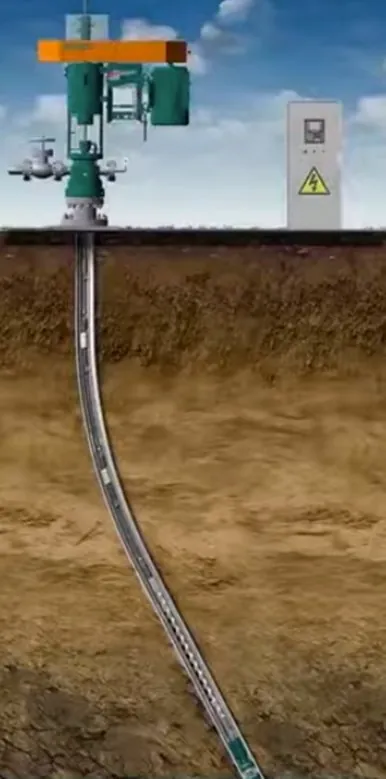
Illustration of a progressive cavity pump installation, from the wellhead down the well
A NETZSCH progressive cavity pump installation.

Ask about NETZSCH pumps

Electric Downhole Heating

PyroHeater turns oil field tubing into the heater

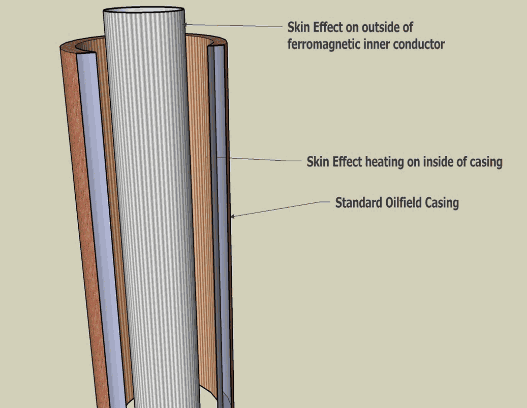
PyroHeater works by passing RF current through oil field tubing, creating heat through the “skin effect.”

  • Major cost advantage over steam
  • “Skin effect” heating
  • The casing and tubing are the heater
  • No downhole cabling
Diagram of skin-effect heating: the skin effect on the outside of the ferromagnetic inner conductor, and skin-effect heating on the inside of standard oilfield casing
Heat develops in a thin skinThe magnetic field causes current to flow in a thin skin, which has high resistance and develops heat.
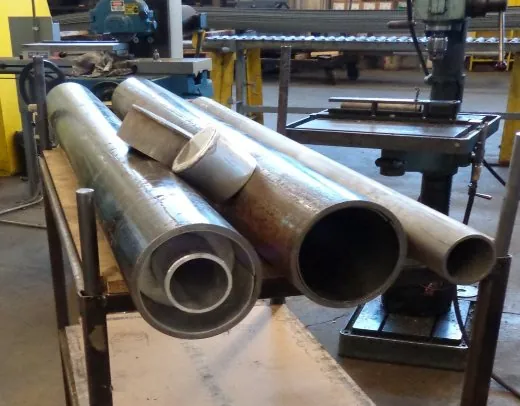
Oil field tubulars on a shop bench, fitted with spacers
Tubulars shown with spacersInsulating centralizers run from the wellhead to the bottom of the heater. The bottom centralizer is a “shorting” centralizer that closes the circuit.
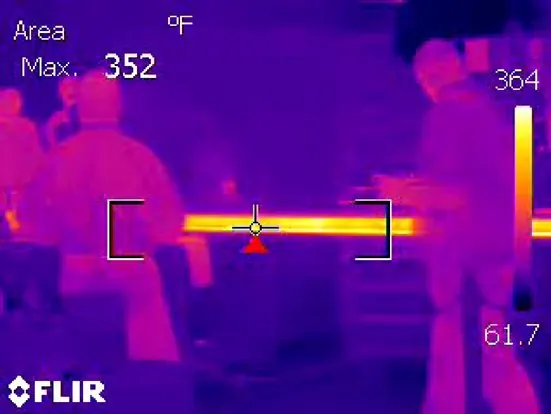
Thermal camera image of a heated pipe, reading 352 °F
Proof on standard pipeA thermal image showing that skin-effect heating works with standard oil field pipe.

Ask about PyroPhase heating